
Blogs
Before the answer, there is reflection.
A journey of learning and reflection — read straight through, or begin with whichever piece speaks to you today.
Read in order
Sets of blogs written to be read one after another.

Community Development
Each piece stands on its own, and together they make one journey.
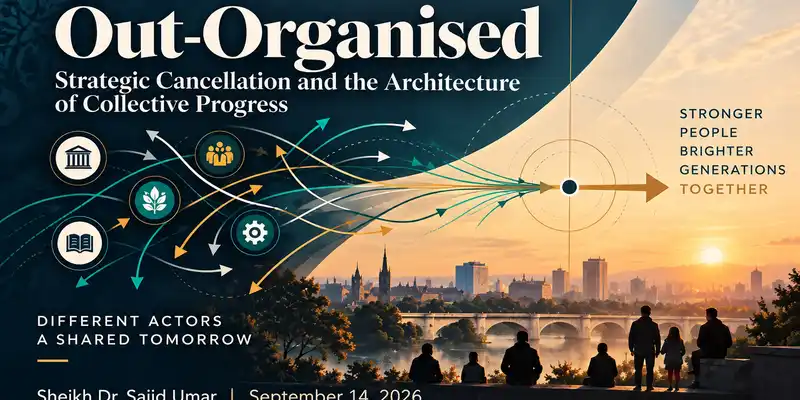
Out-Organised Strategic Cancellation and the Architecture of Collective Progress
I keep watching sincere, capable people pour themselves into work that matters and still end up cancelling each other out, without anyone intending it or even noticing it's happening. It can be frustrating and counterproductive, because it isn't caused by a lack of talent, wealth or sincerity. Reflecting over Qur'an 8:46, the fiqh principle of taṣawwur, and even leaning on Newton's laws of motion, this blog on the problem "strategic cancellation" shares what has kept my mind and heart busy for a while, but especially the last few days, and asks what it would actually take for our good work to add up instead of unintentionally working against itself.
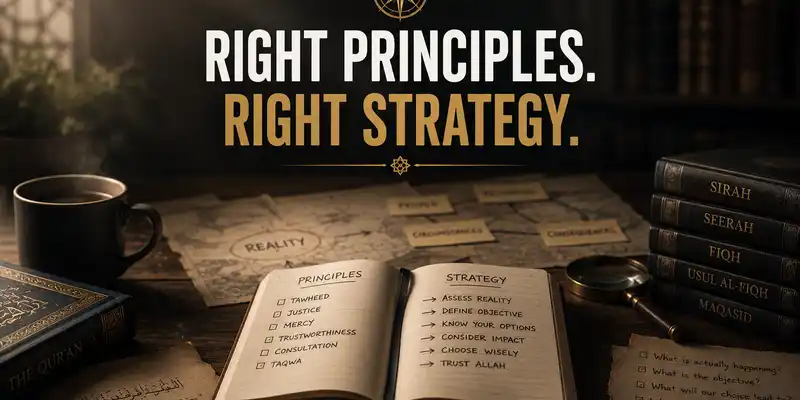
Gloves On or Gloves Off?
Islamic strategy cannot be reduced to always choosing confrontation or always choosing compromise. The Sīrah of the Prophet ﷺ presents something far more sophisticated. Place Khandaq beside Ḥudaybiyyah and the danger of simplistic appeals to the Sīrah quickly becomes apparent. At Khandaq, the Prophet ﷺ authorised measures designed to fracture an enemy coalition; at Ḥudaybiyyah, he accepted terms that some of his closest Companions initially found deeply difficult. Both decisions emerged from the same Prophetic guidance, yet the strategies could hardly appear more different. So which one represents the Prophetic strategy? This article explores that question through Khandaq, the Confederate coalition around Madinah, Ḥudaybiyyah and the Conquest of Makkah, asking what these moments teach us about how the paradigm in which we find ourselves shapes the strategy that faithfulness to the Sharīʿah requires.
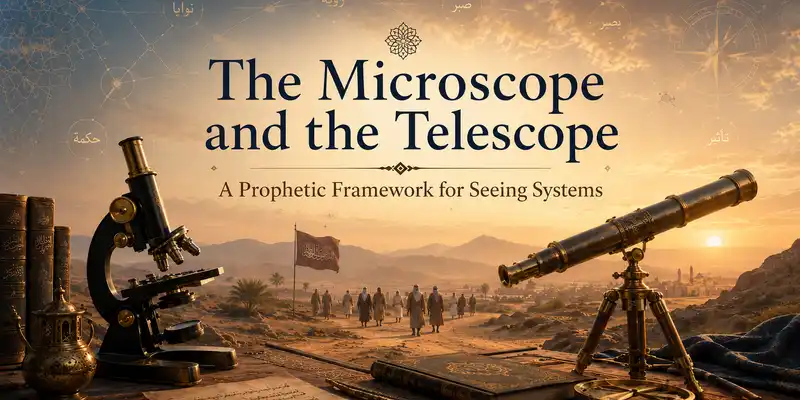
The Microscope and the Telescope: A Prophetic Framework for Seeing Systems
Drawing on the Treaty of Hudaybiyah and systems thinking, this reflection explores how our mental models shape the way we read crises, communities, and change, and what prophetic wisdom teaches us about seeing near and far at once.

On Revolutions, Opinions, and Never forgetting to come home with the Milk!
On revolutions, opinion-driven discourse, and the often-overlooked distinction between force and power. This piece explores why meaningful change depends less on visible disruption and more on underlying institutional structures, intellectual discipline, and personal responsibility.

From Silos to Systems: A Case for a Muslim Ecosystem
A reflective exploration of how Allah distributes skills, roles, and influence within the Ummah, not for isolated success, but for interdependence. This piece argues for moving beyond fragmented excellence toward intentional systems, cooperation, and a unified Muslim ecosystem.

“So Remain Steadfast…” A Message for Hearts That Wish to Rise Again
A reflective blog inspired by the Qur’anic command “فَٱسۡتَقِمۡ كَمَاۤ أُمِرۡتَ” (“Remain steadfast as you have been commanded.”) It explores how personal discipline, inner jihad, mastery over desire, and commitment to ihsān form the foundation of meaningful revival. Drawing from the Qur’an, Sunnah, and the wisdom of early scholars, this piece outlines a compelling vision of an Islamic civilisation rooted in purity of creed, depth of worship, strength of character, and beauty of conduct. A heart-stirring call to believers who aspire to rise, reform, and rebuild.

Revival begins in a boy's name. The pillars of building an Ummah
The blog explores a profound ḥadīth on four meaningful names: ‘Abdullāh, ‘Abdur-Raḥmān, Hammām, and Hārith; and the timeless values they represent: faith, mercy, ambition, and purposeful action. Together, these qualities offer a blueprint for building a spiritually strong, compassionate, and thriving Ummah.
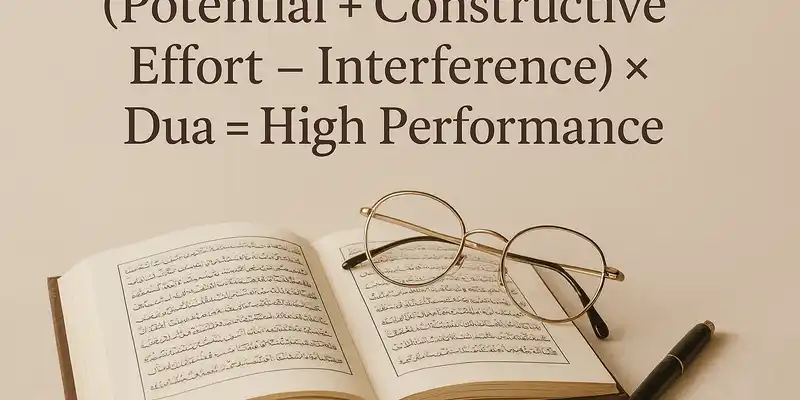
Unlocking High Performance: An Islamic Formula
This blog presents a transformative Islamic framework for personal excellence: (Potential + Constructive Effort – Interference) × Dua = High Performance. Founded in Qur’anic principles and prophetic wisdom, it explores how discovering your God-given strengths, working with discipline, removing internal and external obstacles, and seeking Allah’s help through dua can unlock a powerful, purposeful life filled with barakah.

A Nation Deployed: Purpose, Responsibility, and the Mandate of Legacy
Sheikh Dr Sajid Umar spoke to the Muslim Alumni of Oxford University with a tender reminder that Allah places each graduate in the very moments and roles where their goodness can shine. He invited the graduates to see their careers and talents as trusts, carried with intention and excellence, so that every step becomes a form of service towards a meaningful existence.

25 Parenting Truths You Can’t Afford to Ignore
A practical guide to raising children in today’s digital age: insights from Dr. Leonard Sax on self-control, heritage, screen time, and fostering character and purpose.
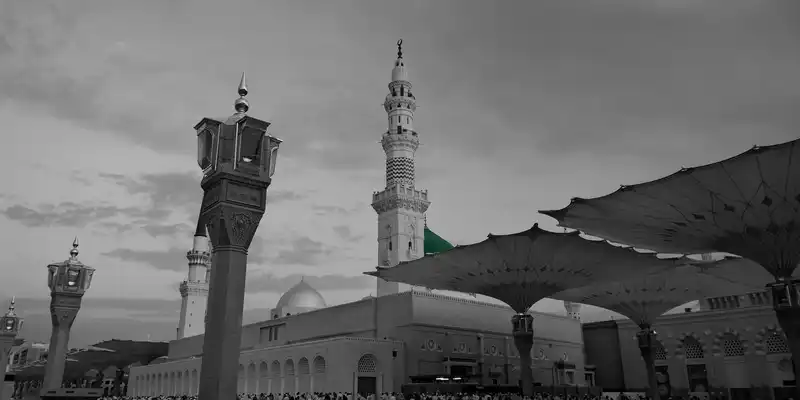
Callers to Islam - Be Merciful...
A reflection on the patience, mercy, and resilience required of a dāʿī (caller to Islam), drawing on Qur’anic guidance, Prophetic example, and the wisdom of Imām Aḥmad ibn Ḥanbal.

The Power of Together: Embracing ‘Ummah’ Over ‘Me’
Explore the Islamic principle of Ummah and learn how prioritising community over self can guide our decisions, foster responsibility, and create a balanced, ethical life.